Summary: Explore the top 10 own goals in football history, from Escobar's tragic deflection to Carragher's do
ony Popovic's 2014 own goal for Croatia against Australia still makes highlight reels. A routine back-pass, a misjudged bounce, and the ball looped over goalkeeper Mat Ryan. That moment didn't just cost a goal—it set the tone for a match that ended 2-2. Own goals like this aren't rare accidents;they're psychological earthquakes that reshape games, careers。
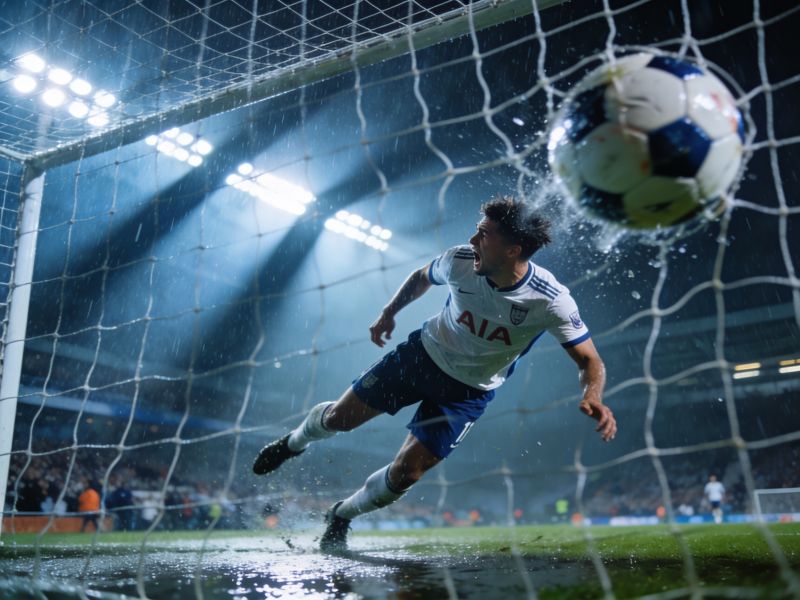
and fan memories. If you want to understand football's strangest phenomenon, you need to study the top 10 own goals in the world not as comedy clips but as tactical case studies.Start with the 1994 World Cup. Colombia's Andrés Escobar deflected a cross into his own net against the USA. Weeks later。he was murdered back home. That own goal became a national tragedy, not a blooper. Contrast that with Jamie Carragher's two own goals in one match for Liverpool against Manchester United in 1999. Both were headers—clinical, almost deliberate. Carragher later joked he'd scored more for United than some of their strikers. The difference?Escobar's was a split-second error;Carragher's felt like a slow-motion disaster. When you rank the top 10 own goals in the world, weight the context. A last-minute own goal in a relegation decider?
That's heavier than a friendly mishap. My advice: log the minute, the scoreline, and the defender's body orientation. You'll spot patterns—most own goals come from crosses drilled across the six-yard box, not wild Clearances.Laurent Blanc's own goal for France against Croatia in 1998?
He was under no pressure. The ball rolled to his weaker foot。and he stabbed it past Fabien Barthez. That one still confuses analysts. Chris Brass's 2006 effort for Bury is a different beast—he tried a volleyed clearance, missed, and the ball smashed his own face before going in. You can't coach that. The practical lesson: own goals happen when defenders rush. Slow down. Pass back to the keeper only when you've checked your shoulder. Watch Phil Jones's 2018 own goal for Manchester United against Valencia—he was trying to block a cross with his chest, but the ball spun off his knee. Top 10 own goals in the world often feature defenders who were actually trying too hard. That's not a cliché;it's video evidence. So when you train, practice awkward angles—balls bouncing behind you, crosses with spin. Repetition reduces panic.Then there's the own goal that broke a goalkeeper's confidence. In 2017, Watford's Gomes punched a corner into his own net against Chelsea. He laughed it off, but later admitted he couldn't sleep for two nights. Compare that with Lee Dixon's 1991 lob over David Seaman for Arsenal against Coventry—Dixon was trying a back-pass, but the ball skidded off the wet grass. Seaman stood frozen. Dixon called it 'the worst moment of my career.' That's the real cost. My subjective take: the most painful own goals in the top 10 own goals in the world aren't the funniest ones—they're the ones where the player's face drains of colour. You can spot it instantly: hands on hips。staring at the turf. Coaching point: after an own goal, don't isolate the player. Run a short passing drill immediately. Rebuild the rhythm.Use these examples as a checklist. Does your centre-back know how to clear a low cross with the outside of his boot?Has your keeper practised communicating 'leave it' loudly enough?
Popovic, Escobar, Carragher。Blanc, Brass, Jones, Gomes, Dixon—each own goal tells you a specific failure: miscommunication, panic, poor technique, or bad luck. Study the top 10 own goals in the world like you'd study set-piece routines. Pause the video at the moment of contact. Ask: what was the defender's first touch supposed to be?Then drill that scenario for ten minutes at the end of every session. Own goals won't vanish, but they'll stop being inevitable.